Discover the benefits of personalized learning in online education. Learn how personalized learning improves engagement, reduces wasted learning effort, supports skill development, and helps learners achieve their goals more effectively.
Key Takeaways
- Personalized learning helps learners focus on the most relevant content, reducing wasted time and effort.
- Learning experiences can be adapted to individual goals, progress, and skill levels.
- Personalized learning can improve engagement, retention, confidence, and long-term skill development.
- Modern learning platforms use technology and learner insights to create more relevant educational experiences.
- Platforms like Alkademy support personalized learning through flexible learning pathways, live instruction, and learner-focused education.
Online education has made learning more accessible than ever before. Whether someone wants to develop a new skill, earn a certification, prepare for a career change, or advance professionally, there are more learning opportunities available today than at any point in history.
However, greater access does not always lead to better learning outcomes.
Many learners still struggle with rigid course structures, irrelevant content, and learning experiences that fail to reflect their goals, experience levels, or learning pace. A beginner and an experienced professional are often expected to follow the same pathway, even when their needs are completely different.
This challenge has contributed to the growing popularity of personalized learning.
At its core, personalized learning helps reduce wasted learning effort by helping learners focus on the right content, at the right pace, for the right goals. Instead of forcing every learner into the same educational experience, personalized learning creates pathways that are more relevant, flexible, and learner-centered.
In this article, we’ll explore what personalized learning is, why it matters, how it works, and the benefits it can provide in modern online education.
What Is Personalized Learning?
Personalized learning is an educational approach that adapts learning experiences to the needs, goals, preferences, and progress of individual learners.
Rather than treating every learner the same, personalized learning recognizes that people enter educational environments with different backgrounds, skill levels, interests, and objectives.
A university student preparing for exams may need a very different learning experience than a working professional developing leadership skills or a career changer entering a new industry. Personalized learning aims to account for these differences by creating more relevant and flexible educational experiences.
Traditional learning environments often follow fixed pathways. Learners complete the same lessons, assessments, and activities regardless of prior knowledge or learning objectives. While this structure can be effective in some situations, it does not always reflect the realities of how people learn.
Personalized learning shifts the focus from standardized instruction to learner-centered education, allowing individuals to engage with content that is more closely aligned with their needs and goals.
Why Personalized Learning Is Becoming More Important
The growing demand for personalized learning reflects a broader shift in how people approach education. Learners today have different goals, different schedules, and different levels of experience, making it increasingly difficult for standardized learning models to meet everyone’s needs effectively.
Several factors are driving this shift:
- Learners Have Different Goals: Some people are pursuing academic qualifications, while others are developing professional skills, preparing for a promotion, changing careers, or staying current in their industry. Because objectives vary significantly, a single learning pathway rarely works equally well for everyone.
- One-Size-Fits-All Learning Has Limitations: Traditional learning models often require all learners to follow the same curriculum regardless of their existing knowledge or experience. This can result in learners spending time on material they already understand or struggling with content that doesn’t match their current level.
- Flexibility Has Become a Priority: Modern learners often balance education with work, family, and personal responsibilities. Many now expect learning experiences that adapt to their schedules, pace, and objectives rather than requiring them to follow rigid structures.
As learning needs continue to diversify, personalized learning offers a more learner-centered approach that helps individuals focus on the content, skills, and experiences most relevant to their goals.
Personalized Learning vs Self-Directed Learning
Personalized learning and self-directed learning are often used interchangeably, but they are not the same thing.
While both approaches give learners greater flexibility than traditional education models, they differ in how learning decisions are made and how much guidance learners receive throughout the process.
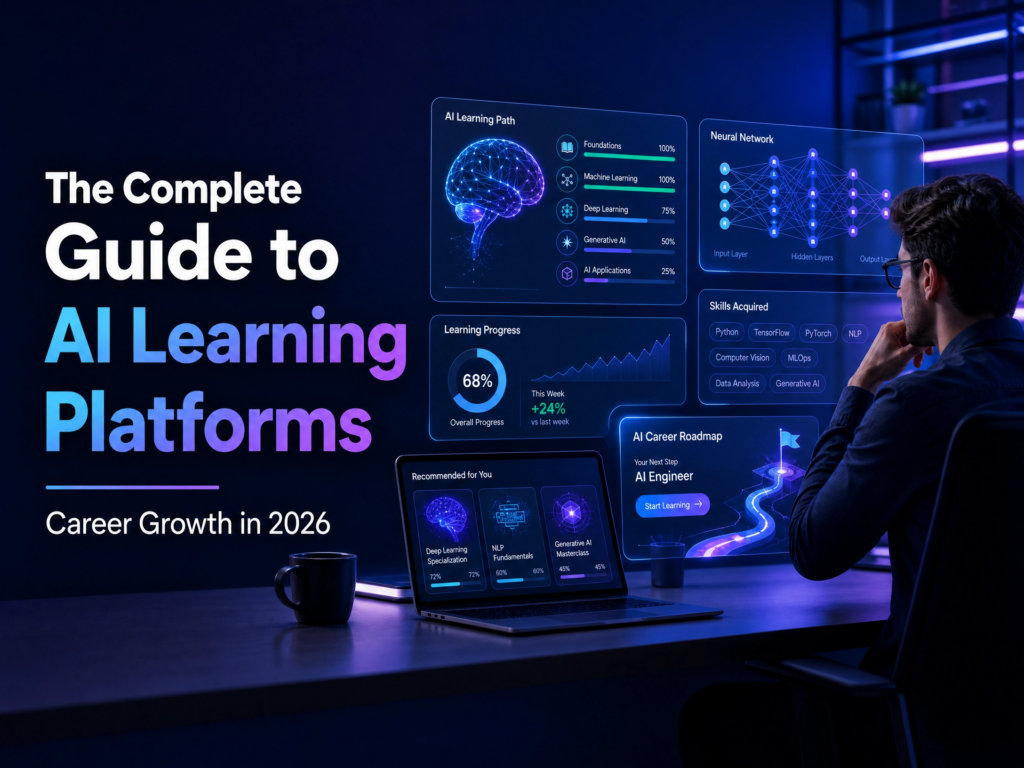
Personalized learning has become one of the defining features of modern AI learning platforms. For a broader overview, explore our Complete Guide to AI Learning Platforms for Career Growth.
| Area | Personalized Learning | Self-Directed Learning |
| Learning Structure | Guided and learner-centered | Primarily learner-driven |
| Content Selection | Recommendations and learning support may be provided | Learners choose content independently |
| Learning Path | Can adapt to learner goals and progress | Created and managed by the learner |
| Support | Progress tracking, guidance, and educational support | Limited structured guidance |
| Decision-Making | Shared between the learner and the learning environment | Primarily the learner’s responsibility |
| Goal Alignment | Learning experiences are designed around learner objectives | Learners must identify and manage their own goals |
Self-directed learning gives learners complete control over what they study, where they find resources, and how they structure their learning journey. While this flexibility can be valuable, it can also create challenges. Learners may struggle to identify priorities, evaluate content quality, or determine the most effective next steps.
Personalized learning provides additional guidance and support. Rather than leaving learners to navigate educational opportunities entirely on their own, personalized learning environments help connect learners with relevant content, learning pathways, and educational resources that align with their goals.
In short, choosing your own courses is not necessarily personalized learning. True personalization involves creating learning experiences that adapt to individual learner needs, objectives, and progress over time.
Key Benefits of Personalized Learning in Online Education
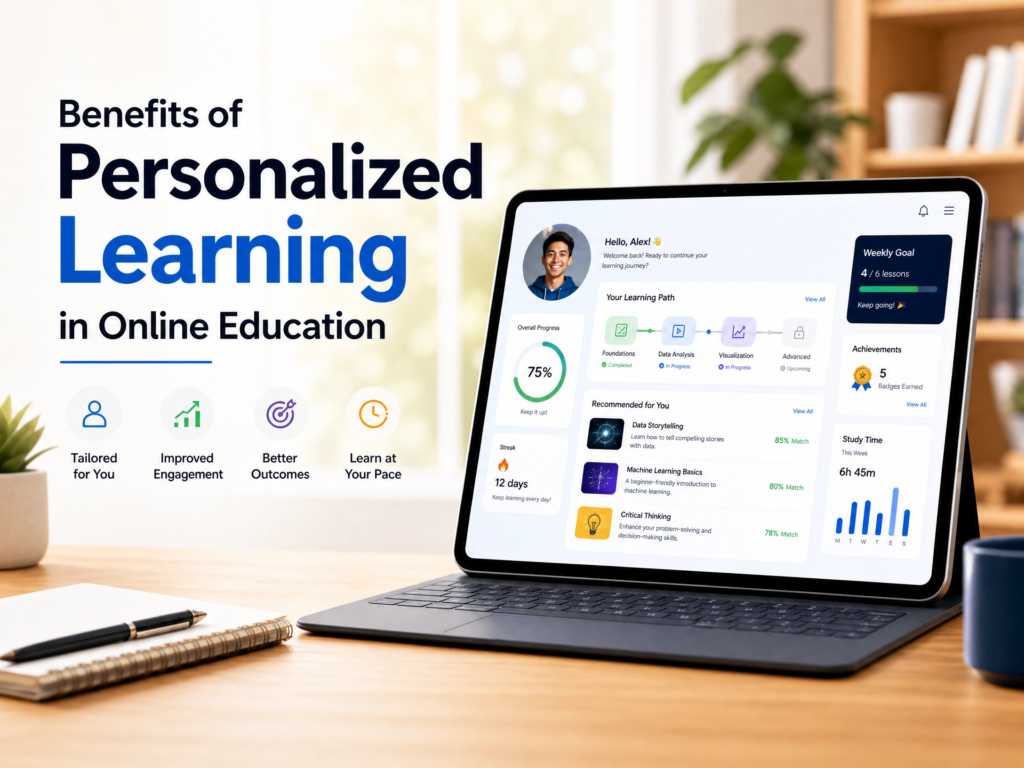
One of the biggest advantages of personalized learning is its ability to reduce wasted learning effort. Instead of requiring every learner to follow the same path, personalized learning helps individuals focus on the content, skills, and experiences that are most relevant to their goals.
Some of the most significant benefits include:
Reduced Learning Waste
Learners spend less time navigating irrelevant content and more time engaging with materials that support their objectives. This makes learning more focused and productive.
Better Learning Engagement
People are naturally more motivated when learning feels relevant. When educational experiences align with individual interests and goals, participation and engagement often increase.
Improved Knowledge Retention
Relevant learning experiences are typically easier to understand and remember. By focusing on appropriate content and skill levels, learners can improve long-term knowledge retention.
Flexible Skill Development
Personalized learning allows individuals to progress at a pace that matches their experience level, schedule, and learning preferences.
More Goal-Oriented Learning
Whether the objective is academic achievement, professional development, or career advancement, personalized learning helps connect educational activities to meaningful outcomes.
Greater Learner Confidence
Clear progress and relevant learning experiences can help learners build confidence, maintain momentum, and stay committed to their development.
Signs Personalized Learning May Be Right for You
Personalized learning can be valuable for many types of learners, but it may be particularly beneficial if:
- You feel overwhelmed by large course catalogs and learning options.
- You struggle to stay engaged in traditional or highly structured learning environments.
- You already have experience and want to avoid spending time on beginner-level content.
- You need learning that fits around work, education, or personal commitments.
- You want learning experiences aligned with specific educational or career goals.
- You prefer progressing at your own pace rather than following a fixed schedule.
If several of these situations sound familiar, a personalized learning approach may help create a more effective and rewarding learning experience.
How Personalized Learning Works in Practice
The benefits of personalized learning become clearer when viewed through real-world situations. While every learner has unique needs, the goal remains the same: helping individuals focus on the most relevant learning opportunities and make better use of their time.
A Student Preparing for Exams
A university student preparing for final exams may discover that they are already confident in some subjects but struggling in others. Instead of spending equal time on every topic, a personalized learning approach helps direct attention toward weaker areas and knowledge gaps.
This allows study time to be used more effectively and helps learners focus on the areas where improvement is needed most.
A Project Manager Learning Data Analytics
A project manager looking to develop data analytics skills may not need a broad introduction to business concepts. Their primary goal may be learning how to interpret data, create reports, and make more informed decisions.
Personalized learning helps narrow the focus to the skills, tools, and resources that support those specific objectives, reducing time spent on less relevant content.
A Career Changer Entering Cybersecurity
Someone transitioning into cybersecurity often faces an overwhelming number of certifications, learning resources, and career pathways. Knowing where to start can be just as challenging as learning the material itself.
Personalized learning can help create a clearer roadmap by identifying foundational skills, prioritizing learning objectives, and guiding learners toward the most relevant educational opportunities.
A Company Training Remote Teams
Organizations often manage employees with different responsibilities, experience levels, and development needs. Delivering the same training program to every employee may not always produce the best results.
Personalized learning allows training experiences to be tailored to individual roles and skill levels while still supporting broader workforce development goals.
These examples highlight a key principle of personalized learning: the most effective learning experiences are not necessarily the same for everyone. By adapting learning to individual needs and objectives, learners can make more meaningful progress while spending less time on content that does not support their goals.
How Modern Learning Platforms Support Personalized Learning
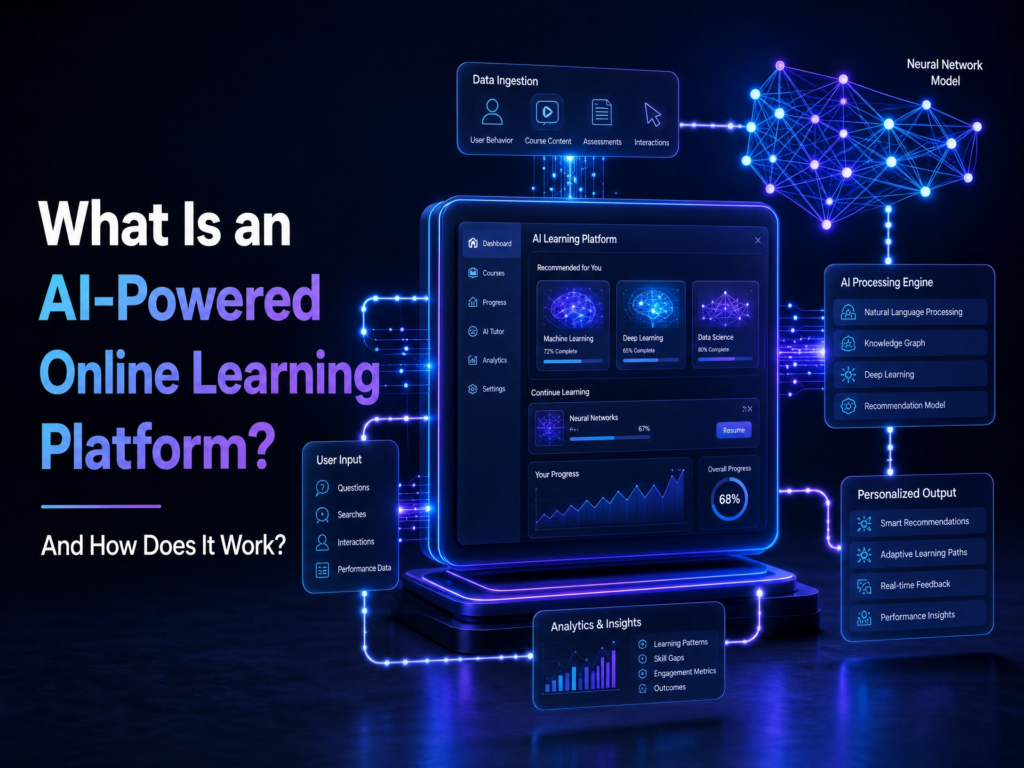
Personalized learning does not happen automatically. Modern learning platforms use a combination of tools, data, and educational design to create learning experiences that are more relevant to individual learners.
Some of the most common approaches include:
- Learning Recommendations: Helping learners discover courses, resources, and learning opportunities that align with their interests, goals, and previous learning activity.
- Progress Tracking: Providing visibility into learning progress, completed activities, and areas where additional development may be beneficial.
- Flexible Learning Pathways: Allowing learners to follow educational journeys that align with their experience level, objectives, and pace of learning.
- Multiple Learning Formats: Supporting different learning preferences through self-paced courses, live virtual classes, workshops, instructor-led training, and other learning experiences.
- Goal-Oriented Learning Support: Helping learners focus on skills and knowledge that are most relevant to their educational or professional objectives.
The goal is not to create a completely different learning experience for every individual, but to provide enough flexibility and guidance to help learners engage with content in ways that best support their needs and goals.
Challenges and Limitations of Personalized Learning
While personalized learning can create more relevant and flexible educational experiences, it is not a solution to every learning challenge. Like any educational approach, its effectiveness depends on how it is implemented and how learners engage with it.
Some important considerations include:
- Learner Commitment Still Matters: Personalized learning can provide guidance and flexibility, but meaningful progress still depends on effort, consistency, and active participation.
- Human Support Remains Valuable: Instructors, mentors, and peer interactions continue to play an important role in providing feedback, answering questions, and supporting learner development.
- Privacy and Data Considerations: Some personalized learning experiences rely on learner data and activity tracking. Educational platforms must handle this information responsibly and transparently.
- Not Every Learning Environment Requires Personalization: Certain academic programs, certifications, and compliance training initiatives may benefit from standardized instruction and consistent learning pathways.
Personalized learning is most effective when combined with strong educational design, learner engagement, and appropriate human support. The goal is not to personalize everything, but to create learning experiences that are more relevant and effective, where personalization adds value.
How Alkademy Supports Personalized Learning
One of the defining characteristics of personalized learning is flexibility. Learners have different goals, experience levels, schedules, and preferred ways of learning, which means a single educational approach is rarely effective for everyone.
Alkademy supports personalized learning by providing multiple ways for learners to develop knowledge and skills. In addition to online courses, the platform offers live virtual classes, workshops, and instructor-led learning experiences, allowing learners to choose the formats that best align with their objectives and learning preferences.
This approach helps create a more adaptable learning environment where learners can engage with educational opportunities that support their individual goals, whether they are building new skills, advancing professionally, or pursuing long-term personal development.
By combining flexible learning pathways with diverse learning experiences, Alkademy reflects the broader shift toward more learner-centered online education.
The Future of Personalized Learning
Personalized learning is expected to become more sophisticated as educational technology, learner data, and digital learning environments continue to evolve.
Future learning experiences may become more adaptive, helping learners progress based on demonstrated skills and competencies rather than fixed course sequences. Learning platforms may also become better at identifying knowledge gaps, recommending relevant learning opportunities, and connecting educational activities to specific academic or professional goals.
Another important trend is the growth of flexible learning ecosystems. Rather than relying on a single format, learners may increasingly move between self-paced courses, live classes, workshops, mentorship opportunities, and practical projects based on their needs and objectives.
As these developments continue, the focus of education is likely to shift further toward learner-centered experiences that prioritize relevance, flexibility, and measurable outcomes. The goal will not be to create a completely different learning experience for every individual, but to help learners access the right learning opportunities at the right time for their goals.
FAQs
Personalized learning is an educational approach that adapts learning experiences to the needs, goals, preferences, and progress of individual learners. Instead of following the same pathway as every other learner, individuals receive a more relevant and flexible learning experience.
Some of the most significant benefits of personalized learning include reduced learning waste, improved engagement, better knowledge retention, flexible skill development, and stronger alignment between learning activities and personal or professional goals.
Personalized learning helps learners focus on the content that is most relevant to their needs and objectives. Reducing unnecessary learning and supporting appropriate pacing can improve both learning efficiency and educational effectiveness.
Personalized learning can benefit a wide range of learners, including students, working professionals, career changers, and organizations. It is particularly valuable for individuals with specific goals, varying experience levels, or unique learning needs.
Modern learning platforms support personalized learning through tools such as learning recommendations, progress tracking, flexible learning pathways, and multiple learning formats. These capabilities help create educational experiences that are more responsive to individual learner needs.
Final Thoughts on Personalized Learning in Online Education
Personalized learning is reshaping online education by helping learners focus on the right content, at the right pace, for the right goals. Rather than relying on one-size-fits-all approaches, it reduces wasted learning effort and creates educational experiences that are more relevant, flexible, and effective.
As learner needs continue to evolve, the ability to deliver more individualized learning experiences will become increasingly important. Platforms like Alkademy reflect this shift by combining flexible learning pathways, diverse learning formats, and learner-centered education to support different goals and learning preferences.
Ultimately, the future of education is not about creating the same experience for everyone. It is about helping each learner access the knowledge, skills, and opportunities that matter most to their personal and professional growth.
If you’re looking for a learning platform that combines online courses, live classes, workshops, and personalized learning experiences, explore Alkademy and discover learning opportunities designed to support your educational and career goals.