

Discover how to learn African languages with native speakers, improve your conversational skills, and explore online learning opportunities with Alkademy.
TL;DR
- Learning an African language helps you connect with cultural traditions, communities, and your heritage.
- Native speakers can help you improve pronunciation, understand everyday expressions, and speak more confidently.
- Yoruba, Igbo, Swahili, Hausa, and Amharic offer different ways to explore Africa’s linguistic diversity.
- Online courses, live classes, and consistent practice can make language learning more accessible.
- Alkademy offers an AI-powered learning ecosystem where you can explore courses, live classes, workshops, and other educational opportunities.
African languages carry centuries of history, cultural knowledge, and tradition.
Learning one can help you reconnect with your heritage, communicate with family, prepare for travel, and build meaningful connections with African communities.
However, learning a language involves more than memorising vocabulary and grammar rules. Pronunciation, everyday expressions, and cultural context are equally important. Learning with native speakers can help you understand how a language works in real conversations and build confidence as you practise.
Online learning makes it easier to explore educational opportunities from different locations. Alkademy, an AI-powered online learning ecosystem, helps learners discover courses, live classes, workshops, and other learning opportunities to support their personal and professional development.
Table of Contents
Why Learn an African Language?
Learning an African language can deepen your cultural understanding, strengthen relationships, and open up new personal and professional opportunities.
Connect With African Culture and Heritage
Language offers a window into a community’s traditions, history, and values. Learning an African language can help you appreciate local storytelling, music, proverbs, and cultural expressions.
It can also help you reconnect with your roots, understand family traditions, and engage more meaningfully with communities whose languages you are learning.
Communicate More Naturally With Native Speakers
Knowing common words is useful, but understanding how people communicate in everyday situations makes a difference. Learning an African language can help you recognise greetings, expressions, and conversational patterns that translations may not fully capture.
Practising with native speakers can also help you become more comfortable asking questions, responding naturally, and participating in conversations.
Expand Personal and Professional Opportunities
Learning another language can be valuable beyond personal interest. It can support travel, academic research, cultural exchange, and professional relationships across African markets.
For professionals, understanding a local language can also make communication with clients, colleagues, and communities more thoughtful and effective.
Explore Alkademy for Your Language Learning Journey
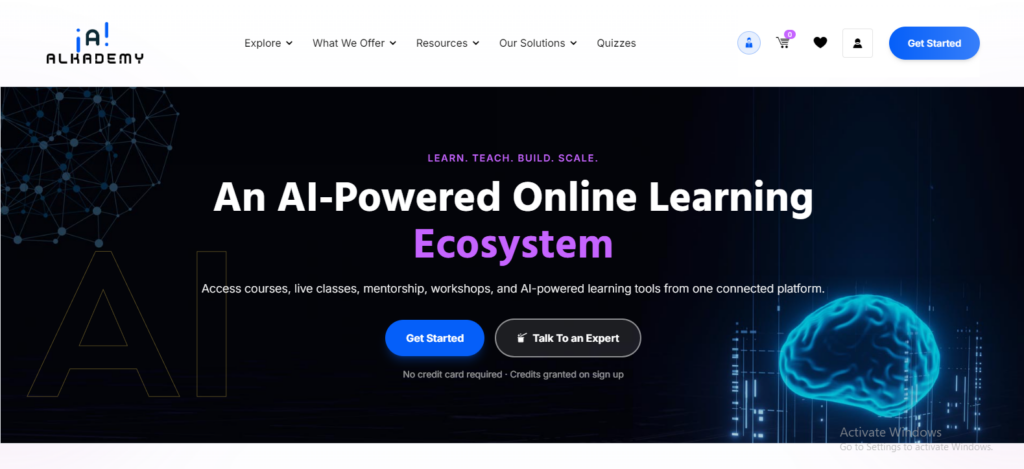
Finding the right learning resources is an important step towards developing new skills.
Alkademy is an AI-powered online learning ecosystem that brings together educational opportunities, including online courses, live classes, workshops, and instructor-led learning where available.
Whether you are beginning a new learning journey or expanding your existing knowledge, exploring suitable learning formats can help you identify an approach that fits your goals.
Discover Online Courses and Learning Resources
Structured learning resources can help you organise your studies, build foundational knowledge, and track your progress. When learning a language, look for beginner-friendly lessons, pronunciation guidance, vocabulary exercises, and opportunities to practise what you learn.
Alkademy’s broader learning ecosystem provides a place to explore educational resources and discover opportunities for continued learning. Check its available catalogue for courses relevant to your language-learning interests.
Explore Live Classes and Instructor-Led Learning
Finding the right instructor can make language learning more focused and effective. Exploring platforms that help learners find an online language tutor can help you access personalised guidance and identify learning support that matches your goals.
Live classes offer opportunities to ask questions, receive feedback, and practise new skills with an instructor. For language learners, regular speaking and listening practice is especially valuable. If you want to learn from a native speaker, check available classes and instructor profiles to confirm which languages are offered and whether the learning format suits your needs.
Find Learning Opportunities That Match Your Goals
Your learning approach should reflect what you want to achieve. Someone learning Yoruba to communicate with family may have different priorities from a traveller learning Swahili or a professional interested in regional communication.
Before choosing a course or class, consider:
- Your current level: Decide whether you need beginner lessons or more advanced practice.
- Your learning goals: Identify whether you want to improve speaking, listening, reading, or writing.
- Your schedule: Choose a learning format that fits your routine.
- Your preferred approach: Consider structured lessons, interactive classes, or a combination of learning methods.
By exploring relevant educational opportunities through Alkademy, you can take a more purposeful approach to developing your skills and planning your next learning steps.
Which African Languages Can You Learn?
Africa is home to thousands of languages, each reflecting the history, traditions, and culture of its speakers.
Choosing a language to learn depends on your interests, cultural connections, travel plans, and communication goals. As you explore language-learning options,
Alkademy offers a wider learning ecosystem where you can discover educational opportunities that support your personal development.
Learn Yoruba
Yoruba is widely spoken in southwestern Nigeria and in diaspora communities around the world. Learning Yoruba can help you connect with family, understand traditional stories, and appreciate the language used in music, ceremonies, and everyday conversations.
Beginners can start with greetings, introductions, common expressions, and pronunciation before progressing to longer conversations.
Learn Igbo
Igbo is a major language spoken in southeastern Nigeria and by Igbo communities worldwide. It is a valuable choice for people interested in reconnecting with their heritage, communicating with relatives, or learning more about Igbo traditions.
Start with everyday vocabulary, simple sentences, and common greetings. Regular listening and speaking practice can help you become more familiar with the language.
Learn Swahili
Swahili is widely used across East Africa, including Tanzania and Kenya. It can be useful for travellers, professionals, and anyone interested in the region’s cultures and communities.
Learning basic greetings, questions, and common phrases provides a practical foundation for everyday communication. As your skills develop, you can progress to longer conversations and more complex expressions.
Learn Hausa
Hausa is widely spoken across West Africa, particularly in northern Nigeria and Niger. It is useful for people interested in regional communication, cultural exchange, travel, and commerce.
Beginners can focus on greetings, introductions, numbers, and frequently used expressions. Practising with proficient speakers can help you understand how Hausa is used in different situations.
Learn Amharic
Amharic is a major language of Ethiopia and is written using the Ethiopic script. Learning it can help you engage more deeply with Ethiopian culture, communicate with Amharic speakers, and prepare for travel.
A good starting point is to become familiar with the writing system, basic vocabulary, pronunciation, and everyday expressions.
Why Learn African Languages From Native Speakers?

Learning from native speakers can help you move beyond memorising vocabulary to understanding how a language is used in everyday life.
Their insights can support more natural communication and a deeper appreciation of cultural context.
Improve Pronunciation and Intonation
Some African languages use tones or sounds that may be unfamiliar to beginners. Listening to native speakers and receiving feedback can help you recognise these differences and pronounce words more accurately.
To improve your pronunciation:
- Listen carefully to how words and sentences are spoken.
- Repeat short phrases and practise them regularly.
- Ask for feedback when a sound or word is difficult.
- Pay attention to rhythm, tone, and intonation where relevant.
Understand Everyday Expressions and Local Usage
Textbooks and dictionaries provide useful foundations, but everyday speech often includes idioms, informal expressions, and regional variations. Native speakers can explain how people use particular phrases and when they are appropriate.
This context helps you avoid overly literal translations and understand conversations more naturally.
Learn Cultural Context Alongside Vocabulary
Language and culture are closely connected. Greetings, expressions of respect, and conversational customs can vary across communities and situations.
Learning from native speakers can help you understand these nuances rather than focusing only on word meanings. This makes language learning more meaningful and helps you communicate more thoughtfully.
Build Confidence Through Real Conversations
Speaking regularly helps you apply what you have learned, identify gaps in your knowledge, and become more comfortable responding spontaneously.
You can begin with simple activities such as introducing yourself, asking questions, or discussing familiar topics. As your confidence grows, gradually move towards longer conversations.
When exploring learning opportunities through Alkademy, look for relevant classes or instructor-led sessions that offer interactive practice, if available. Combining structured learning with regular conversation practice can help you make steady progress.
How to Start Learning an African Language Online
Learning an African language online gives you the flexibility to study at your own pace and explore resources that match your goals.
A structured approach can help you build foundational skills and make steady progress.
- Choose a language and set a goal. Decide whether you want to communicate with family, prepare for travel, or explore a new culture.
- Start with everyday vocabulary. Learn greetings, introductions, numbers, common questions, and useful expressions.
- Find reliable learning resources. Explore language guides, structured lessons, and suitable online classes. Alkademy provides a broader learning ecosystem where you can explore available courses and educational opportunities.
- Practise with native speakers. When possible, join conversation sessions or lessons that provide feedback on pronunciation and word choice.
- Build a regular study routine. Set aside time for listening, speaking, reading, and reviewing new vocabulary.
- Track your progress. Set small milestones, such as introducing yourself or holding a short conversation, and review your progress regularly.
Live lessons can provide opportunities to ask questions, practise speaking, and receive feedback. Exploring live online language classes can help you understand the options available for interactive learning
Common Challenges When Learning African Languages
Learning a new language takes patience. Recognising common challenges early can help you choose effective strategies and stay motivated.
Pronunciation and Tones
Some African languages include tonal distinctions or unfamiliar sounds that can be difficult for beginners. Pronouncing a word incorrectly may affect how it is understood.
To improve, listen to fluent speakers, repeat short phrases, and ask for feedback. Focus on one difficult sound or pattern at a time rather than trying to perfect everything at once.
Finding Reliable Learning Resources
Quality learning materials can be difficult to find for some languages, particularly those with fewer widely available online resources.
Look for resources that provide accurate explanations, practical examples, and opportunities to practise. You can also explore Alkademy’s available courses and classes to see whether suitable learning options match your language goals.
Getting Regular Conversation Practice
Understanding written vocabulary does not always translate into confident speaking. Without regular conversation, it can be difficult to respond naturally or understand different speaking styles.
Try to practise with a language partner, join relevant online sessions, or arrange conversations with proficient speakers. Even short, regular exchanges can help you apply what you have learned.
Maintaining Consistency
Progress can feel slow when you are learning unfamiliar vocabulary, pronunciation, and grammar. Busy schedules can also make it difficult to maintain a routine.
Make learning manageable by:
- Setting aside 10 to 20 minutes for daily practice.
- Learning a small number of useful expressions each week.
- Reviewing previous lessons before starting new material.
- Celebrating milestones, such as completing your first conversation.
Understanding Regional Differences
Languages may vary across regions in pronunciation, vocabulary, and everyday expressions. A phrase commonly used in one community may be less familiar in another.
Choose resources that reflect the variety of the language you want to learn. Ask speakers about regional usage and context so you can understand when different expressions are appropriate.
Tips for Getting the Most Out of Native-Speaker Lessons
Native-speaker lessons can help you develop practical communication skills when you participate actively and practise between sessions.
- Set a clear objective: Decide what you want to achieve in each lesson, such as learning greetings or practising introductions.
- Prepare questions: Write down unfamiliar words, phrases, or pronunciation difficulties before your session.
- Speak as much as possible: Practise forming your own sentences instead of relying entirely on listening.
- Ask for corrections: Invite your instructor to explain mistakes and demonstrate more natural expressions.
- Learn the cultural context: Ask when particular greetings, phrases, or forms of address are appropriate.
- Review after each lesson: Record new vocabulary and create example sentences to reinforce what you learned.
- Practise between sessions: Use new expressions in conversations or repeat them aloud to improve recall.
- Choose suitable learning opportunities: When exploring Alkademy, check for relevant classes or instructor-led sessions that support your goals, where available.
The most effective approach combines regular instruction with independent practice. Over time, consistent effort can help you understand more, speak with greater confidence, and enjoy meaningful conversations.
FAQs
What Is the Best Way to Learn an African Language?
Combine structured lessons with regular listening, speaking, and vocabulary practice. Learning with native speakers can help you improve pronunciation, understand everyday expressions, and use the language more naturally.
Can I Learn an African Language Online With Native Speakers?
Yes. Online classes, video sessions, and language exchanges can connect you with native speakers. Look for opportunities that include conversation practice, constructive feedback, and lessons suited to your current level.
Which African Language Should I Learn First?
Choose a language based on your interests, family connections, travel plans, or professional goals. Yoruba, Igbo, Swahili, Hausa, and Amharic are potential starting points, depending on which communities and cultures you want to connect with.
How Long Does It Take to Learn an African Language?
The time required depends on the language, your learning goals, previous experience, and how consistently you practise. You may learn basic greetings relatively quickly, but developing conversational fluency generally requires sustained effort and regular interaction.
Does Alkademy Offer African Language Courses With Native Speakers?
Check Alkademy’s current course catalogue and instructor listings for available African-language learning opportunities. Although Alkademy provides a broader online learning ecosystem with courses, live classes, and workshops, the availability of specific languages and native-speaker instructors should be confirmed before enrolling.
Final Thoughts on Learn African Languages with Native Speakers
Learning an African language can help you build stronger relationships, appreciate cultural traditions, and communicate more confidently. With regular practice, suitable learning resources, and opportunities to speak with native speakers, you can gradually turn unfamiliar words into meaningful conversations.
The key is to start with achievable goals, practise consistently, and remain curious about the culture behind the language. Exploring online learning opportunities can help you find resources that suit your interests and learning style.
Alkademy is an AI-powered online learning ecosystem where you can discover courses, live classes, workshops, and other educational opportunities to support your personal and professional development.
Ready to take the next step in your learning journey?
Explore Alkademy and discover learning opportunities that match your interests and goals.